Among common water line pipe materials—CPVC,copper, PEX, PVC and galvanized steel—CPVC usually offers the best balance of longevity, corrosion resistance and heat performance for modern residential plumbing systems.
1. Introduction to CPVC Material
Definition of CPVC
CPVC, or Chlorinated Polyvinyl Chloride, is a piping material widely used in residential plumbing systems due to its remarkable properties. CPVC is produced through the chlorination of PVC resin, which enhances its stability and allows it to handle higher temperatures. This makes it an excellent choice for both hot and cold water applications.
Properties of CPVC
The properties of CPVC contribute to its growing popularity in plumbing projects. It exhibits excellent chemical resistance, making it suitable for transporting a variety of fluids without deterioration. Moreover, CPVC is lightweight, which simplifies handling and installation, and it can be easily cut and joined using solvent cement. Another significant feature is its ability to maintain shape and integrity under pressure, which is crucial for longevity.
Applications of CPVC
CPVC is prevalent in various plumbing applications such as potable water lines, draining systems, and fire sprinkler systems. Its versatility arises from its capacity to withstand varying temperatures and pressures, allowing for widespread use in both residential and commercial settings.
But here’s the kicker: The adaptability of CPVC in multiple applications illustrates its value, especially in environments where high performance is required.
| Property | Description | Implication |
|---|---|---|
| Chemical Resistance | Resists degradation from chemicals | Extends lifespan of plumbing systems |
| Temperature Handling | Suitable for hot and cold applications | Versatile for different plumbing needs |
| Lightweight | Easy to transport and install | Reduces labor costs during installation |
2. Overview of Water Line Pipe Materials
Types of Pipe Materials
Water line pipes come in several materials, each with specific properties. The most common types include copper, PEX, PVC, CPVC, and galvanized steel. Understanding the unique traits of these materials helps in choosing the right plumbing solutions.
Considerations for Longevity
When evaluating longevity, several key factors come into play, including susceptibility to corrosion, resilience to temperature variations, and exposure to environmental elements. These factors can significantly lengthen or shorten the lifespan of pipe materials.
Importance of Quality Materials
Quality materials are critical in plumbing as they are key to preventing leaks, maintaining water safety, and ensuring overall efficiency. Choosing the right pipe material can save homeowners from costly repairs and enhance the plumbing system’s overall durability.
What’s the real story? Each material offers a different balance of cost, performance, and durability, making it essential to understand their properties for informed decision-making.
| Material Type | Key Characteristics | Suitability |
|---|---|---|
| Copper | Strong, durable | Ideal for high-pressure applications |
| PEX | Flexible, easy to install | Great for residential plumbing configurations |
| PVC | Lightweight, cost-effective | Used mainly for drainage and waste |
| CPVC | Heat-resistant, chemically stable | Excellent for hot and cold water transport |
| Galvanized Steel | Strong but prone to corrosion | Commonly found in older plumbing systems |
3. Copper Pipes
Attributes of Copper Pipes
Copper pipes are a longstanding favorite in plumbing due to their high durability and extensive lifespan of over 50 years. They perform exceptionally well under high pressure and are naturally resistant to bacteria, making them a safe option for drinking water.
Advantages of Copper
The benefits of copper pipes are numerous. Their durability means fewer replacements are needed, saving homeowners money in the long run. Furthermore, copper offers natural antimicrobial properties, thereby improving water quality. They also handle temperature extremes well, which helps in maintaining system integrity.
Limitations of Copper Pipes
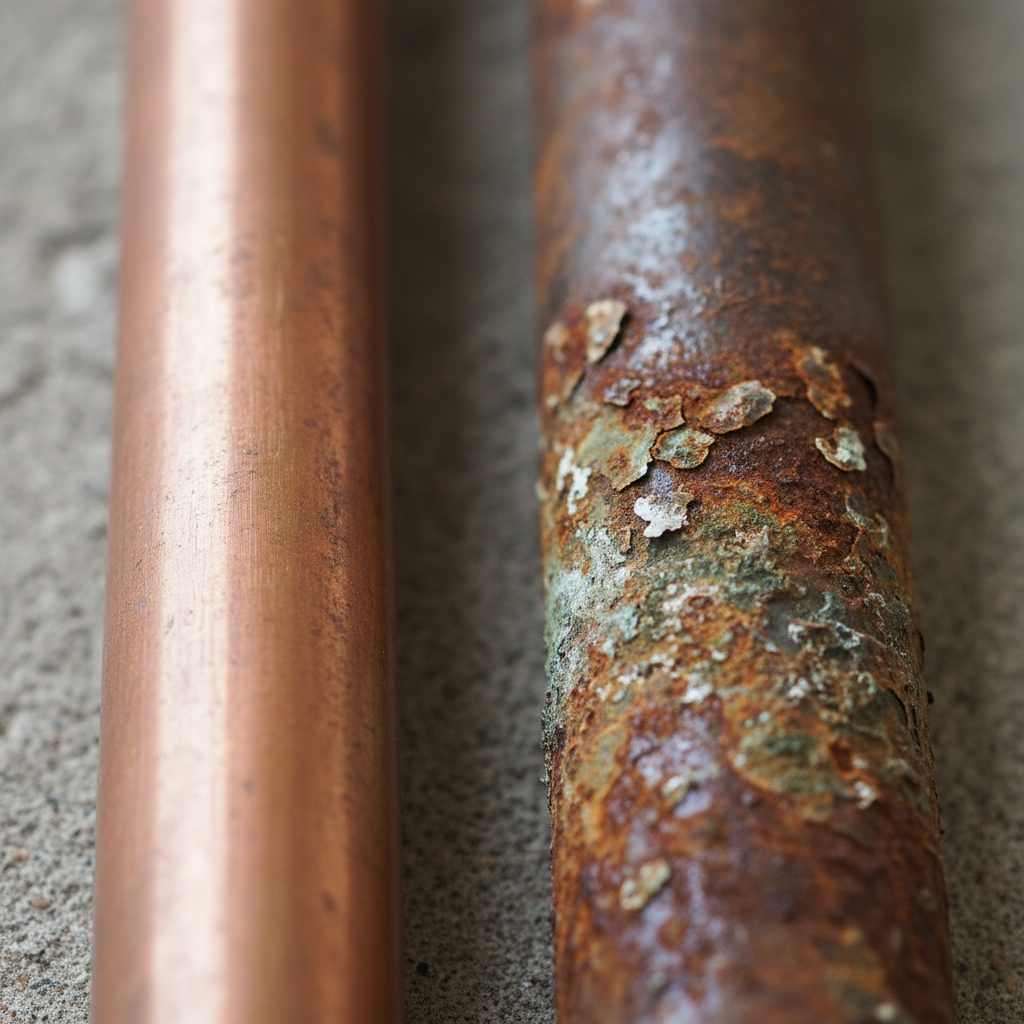
Yet, copper pipes do come with their drawbacks. The high upfront costs and susceptibility to freezing can be concerning, especially in colder climates. Additionally, copper can corrode under certain water conditions, which may lead to pinhole leaks over time.
This is where it gets interesting: Balancing the costs and benefits of copper pipes involves understanding these trade-offs and considering each home’s specific circumstances.
| Advantage | Description | Consideration |
|---|---|---|
| Durability | Long-lasting | Reduces frequent replacements |
| Antimicrobial Properties | Resists bacterial growth | Ensures reliable drinking water quality |
| High-Pressure Resistance | Handles high pressure effectively | Suitable for various plumbing applications |
| Initial Cost | Higher than plastic alternatives | Needs to be justified through longevity savings |
4. PEX Pipe
What is PEX?
Cross-linked Polyethylene (PEX) has become increasingly popular in residential plumbing due to its flexibility, which simplifies installation in complex spaces. Unlike rigid materials, PEX can be easily curved or bent, accommodating various plumbing layouts.
Benefits of PEX Pipes
PEX pipes offer numerous advantages, including resistance to scale and chlorine as well as great thermal efficiency, which means less heat loss in hot water lines. They are also generally lower in cost than copper, making them an attractive option for homeowners looking to save money on plumbing materials.
Drawbacks of PEX Pipes
However, PEX pipes are not without their issues. They can be sensitive to UV light, making them unsuitable for outdoor applications unless protected. Moreover, some PEX products can leach chemicals if not certified, raising potential safety concerns.
What’s the real story? Understanding the benefits and limitations of PEX helps homeowners make informed choices that suit their unique plumbing needs.
| Property | PEX | Consideration |
|---|---|---|
| Flexibility | Easy to install and shape | Reduces the number of fittings needed |
| Thermal Efficiency | Excellent heat retention | Improves energy efficiency |
| Cost-Effective | Generally less expensive | Favorable for budget-conscious projects |
| Sensitivity to UV | Cannot be exposed to sunlight | Needs proper installation to avoid degradation |
5. PVC Pipes
Characteristics of PVC Pipes
Polyvinyl Chloride (PVC) pipes are widely recognized for their lightweight and robust nature. They are primarily used for drainage, waste, and vent systems due to their resistance to corrosion and chemicals.
Benefits of PVC Pipes
The advantages of PVC pipes include their cost-effectiveness and ease of installation, saving both time and money. Additionally, they are non-toxic and can safely be used for potable water in certain applications. Their smooth interior surface minimizes friction, allowing water to flow freely.
Limitations of PVC Pipes
Despite these benefits, PVC pipes have significant limitations. They cannot withstand high heat, making them unsuitable for hot water applications, as they can warp or become brittle. Also, PVC pipes may crack under extreme cold temperatures.
This is where it gets interesting: PVC provides a solid option for many plumbing tasks, but careful consideration of its limitations is essential in specific applications.
| Characteristic | Description | Pros and Cons |
|---|---|---|
| Lightweight | Easy to handle and install | Lowers installation costs |
| Chemical Resistance | Suitable for drainage applications | Must be verified for drinking water |
| Low Cost | Generally cost-effective | Can lead to long-term savings in material costs |
| Heat Limitations | Not suitable for hot water | Potential for cracking in cold weather |
6. CPVC vs. PVC
Differences Between CPVC and PVC
When comparing CPVC and PVC, it is crucial to understand their distinct properties. CPVC is treated to withstand higher temperatures, making it suitable for hot water transport, while PVC is primarily utilized for cooler applications.
When to Choose CPVC Over PVC
In scenarios where hot water delivery is required, like in kitchen sinks and showers, CPVC is typically the choice over PVC. Its ability to maintain integrity under heat gives it a significant advantage in these applications.
Installation Methods for Both Materials
Installation techniques for CPVC and PVC differ slightly. For CPVC, specific solvent cement is required, which is different from standard PVC cement. Both require a thorough fitting and a secure bond to prevent leaks, but CPVC joints can handle higher stress than their PVC counterparts.
What’s the real story? Knowing when to choose CPVC over PVC can make a significant impact on the functionality and efficiency of your plumbing system.
| Comparison Dimension | CPVC | PVC |
|---|---|---|
| Temperature Tolerance | Suitable for hot water | Best for cold water |
| Cost | Slightly higher than PVC | Generally lower pricing |
| Applications | Indoor and outdoor use | Mostly waste and drainage |
| Installation Complexity | Requires specific solvents | Standard adhesive used |
7. Galvanized Steel Pipes
Understanding Galvanized Steel Pipes
Galvanized steel pipes are iron pipes coated with a layer of zinc to prevent corrosion. While they were once a standard in plumbing, their popularity has declined in favor of more modern materials due to various disadvantages.
Advantages of Galvanized Steel
One of the primary advantages of galvanized steel pipes is their extraordinary strength. They can withstand high pressure and are resistant to physical damage, which makes them suitable for main water supply lines.
Disadvantages of Galvanized Steel
However, galvanized steel pipes have significant disadvantages. Over time, the zinc coating may corrode, leading to internal rust and reduced flow rates. Eventually, this corrosion can cause leaks and require expensive replacement. Additionally, they are heavy, which makes installation more cumbersome compared to plastic alternatives.
This is where it gets interesting: While galvanized steel pipes have strengths, the potential downsides must be closely evaluated, especially when considering modern plumbing needs.
| Advantage | Description | Consideration |
|---|---|---|
| Strength | Durable under pressure | Suitable for main supply lines |
| Longevity | Lasts up to 50 years | Can require maintenance to prevent rust |
| Accessibility | Commonly available in homes | Still found in older plumbing infrastructures |
8. Benefits of CPVC for Longevity
Corrosion Resistance
CPVC possesses an impressive resistance to corrosion, making it highly beneficial for extended use in plumbing systems. Unlike metal alternatives, CPVC does not rust, which ensures the integrity of the water supply and reduces maintenance calls.
Heat Resistance
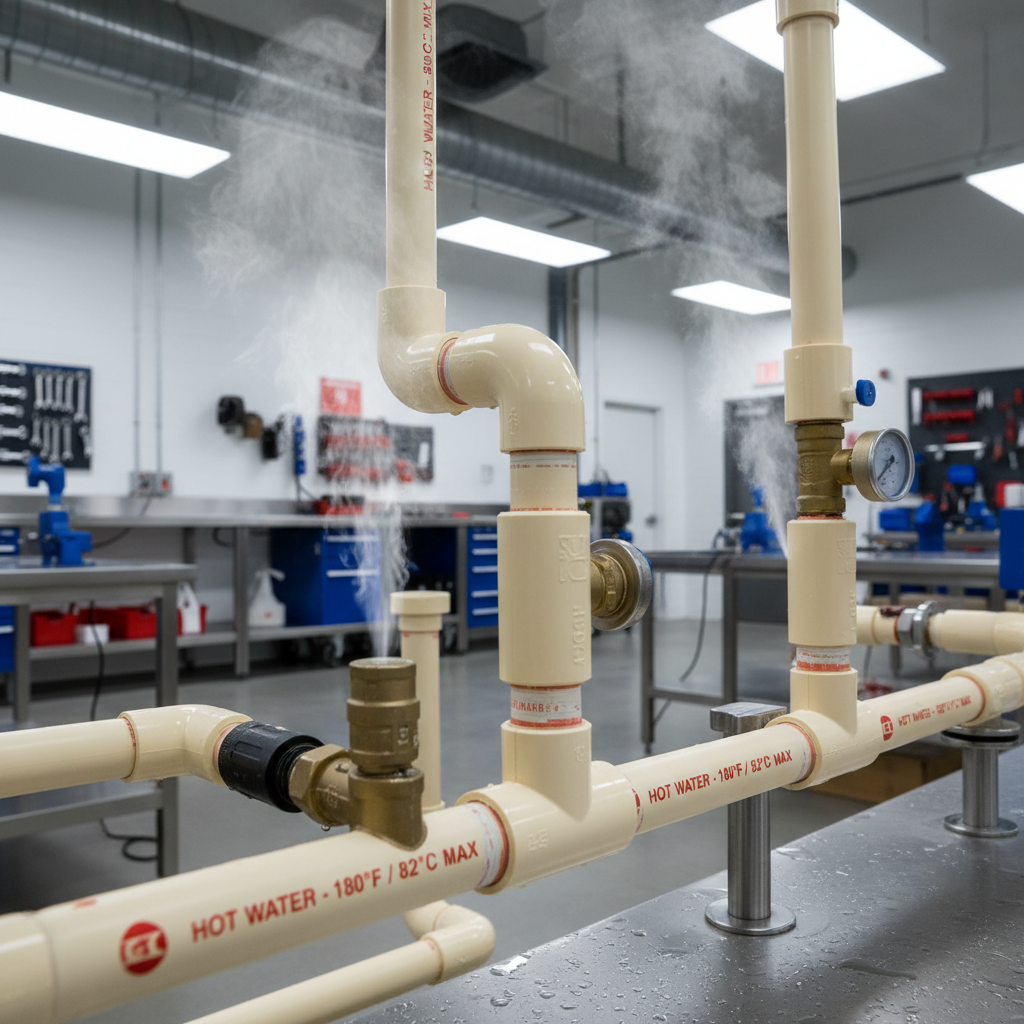
CPVC’s ability to handle high temperatures is another significant advantage, as it can maintain structural integrity at temperatures up to 200°F (93°C). This feature is especially beneficial for delivering hot water without degrading over time.
Cost-Effectiveness
Despite being more expensive than alternative materials like PVC, CPVC provides considerable long-term savings due to its durability and low maintenance needs. In the long term, the expense of fewer repairs and replacements makes it a cost-effective choice.
What’s the real story? The longevity attributed to CPVC’s impressive resistance to wear and damage can significantly benefit your plumbing investment.
| Benefit | Description | Impact on Longevity |
|---|---|---|
| Corrosion Resistance | Prevents rust and buildup | Ensures clean and safe water supply |
| Heat Resistance | Withstands high temperatures | Suitable for various residential applications |
| Cost-Effectiveness | Fewer repairs over time | Reduces long-term maintenance expenses |
9. Installation Process for CPVC Pipes
Preparing for Installation
Before starting with CPVC pipe installation, preparation is critical. This involves gathering the necessary tools and materials, including the appropriate fittings, solvent cement, and pipe cutters. A clear plan and tools on hand will streamline the process significantly.
Installation Techniques
The installation process for CPVC pipes typically involves measuring and cutting the pipe to length, deburring the cut edges, and dry fitting the components before applying the solvent cement. It is vital to apply the cement to both the pipe and fitting uniformly for a secure bond.
Post-Installation Checks
Once the installation is complete, checking for leaks is paramount. Allow the adhesive to cure as specified, and then turn on the water supply gradually. Monitoring the system for leaks immediately after installation can help catch any issues early.
This is where it gets interesting: Proper installation is essential for maximizing the longevity and effectiveness of CPVC pipes, ensuring that homeowners can rely on their plumbing systems for years to come.
| Step | Description | Important Tips |
|---|---|---|
| Measurement | Accurately assess pipe lengths | Double-check before cutting |
| Deburring | Smooth out any rough edges | Reduces the chance of damaging fittings |
| Dry Fitting | Assemble components without cement | Ensure proper alignment |
| Application of Cement | Coat both pieces thoroughly | Work quickly to avoid drying |
| Leak Testing | Check for leaks after installation | Monitor pressure and connections |
10. Maintenance Tips for Water Line Pipes
Regular Inspections
Conducting regular inspections of your plumbing system is vital to maintaining the longevity of water line pipes. Homeowners should routinely check exposed pipes for signs of leaks, corrosion, and discolored water, which may indicate underlying issues.
Cleaning and Care Techniques
Cleaning techniques are also essential for prolonging pipe life. Using safe cleaning solutions specific to the type of pipe material can help avoid buildup and blockages. For instance, flushing out sediment periodically can enhance flow rates in older systems and improve overall efficiency.
Addressing Common Problems
Being aware of common plumbing problems, such as chronic leaks, low water pressure, and unusual noises, can lead to quicker resolutions. Early detection and addressing small issues can save homeowners from costly repairs and extend the life of their plumbing systems.
What’s the real story? Proactively maintaining and caring for plumbing systems not only enhances longevity but also ensures your home remains a safe and comfortable place.
| Maintenance Activity | Description | Frequency |
|---|---|---|
| Regular Inspections | Monitor for signs of wear or leaks | Bi-annually or as needed |
| Cleaning Techniques | Remove buildup and sediment | As necessary based on water quality |
| Monitoring Conditions | Check for changes in water delivery | Continuously, especially during seasonal transitions |
11. Regulatory Standards and Codes
Understanding Local Plumbing Codes
Familiarity with local plumbing codes is essential for maintaining longevity in plumbing systems. These codes dictate safe practices and minimum material requirements. Consequently, complying with these regulations protects consumers and the environment.
Material Compliance Standards
Choosing compliant materials ensures that your plumbing system meets established safety and durability benchmarks. Compliance can involve testing materials for quality and confirming that installation procedures align with regulations.
Obtaining Required Permits
Prior to starting any plumbing project, homeowners should research and obtain the necessary permits. This process may involve submitting plans for review and ensuring that installations adhere to local regulations. Failing to secure proper permits can lead to costly fines or require rework.
This is where it gets interesting: Understanding regulatory standards not only keeps you compliant but elevates the quality and reliability of your plumbing work.
| Regulatory Aspect | Description | Action Items |
|---|---|---|
| Understanding Codes | Know local plumbing requirements | Research municipal regulations |
| Material Compliance | Verify that materials meet safety standards | Ensure proper certifications |
| Permits and Inspections | Complete necessary documentation | Schedule inspections for new installations |
12. Future Trends in Water Line Pipe Materials
Innovative Materials Development
The plumbing industry is evolving with the introduction of innovative pipe materials, including blends of metal and plastic that enhance durability and performance. This innovation leads to improved functionalities, making them suitable for diverse plumbing applications.
Emphasis on Sustainability
Sustainability is becoming a significant focus in plumbing materials. There is a growing trend towards using eco-friendly options that minimize environmental impact. Manufacturers are developing pipes using recycled materials, promoting sustainable practices.
Advancements in Smart Plumbing Technologies
Finally, the integration of smart technology in plumbing systems is on the rise. These advancements offer real-time monitoring of water usage, automatic leak detection, and improved energy efficiency, allowing for proactive management and maintenance of plumbing systems.
What’s the real story? As the plumbing landscape evolves, it’s essential to stay informed about trends and innovations that can enhance water line longevity and efficiency.
| Trend | Description | Implications |
|---|---|---|
| Innovative Materials | New product developments | Enhances plumbing performance and flexibility |
| Sustainability | Eco-friendly materials emerging | Reduces impact on the environment |
| Smart Technology | Integration of monitoring systems | Allows for real-time analysis and management |
13. Cost Comparisons of Various Pipe Materials
Breakdown of Material Costs
Understanding the costs associated with water line pipe materials is crucial in budgeting for plumbing projects. For instance, copper pipes generally range from $2 to $6 per foot, while PEX and PVC are more affordable, typically falling between $0.50 and $2 per foot.
Long-Term Financial Implications
While initial costs are important, the long-term implications of material choice must also be considered. For example, although copper has a higher upfront cost, its durability could lead to fewer repairs and replacements, translating into cost savings over time.
Budgeting for Plumbing Projects
Effectively budgeting for plumbing projects involves considering both material costs and installation labor. Homeowners must account for future maintenance and possible emergencies when planning their budgets to ensure comprehensive financial preparedness.
This is where it gets interesting: By effectively comparing initial and long-term costs, homeowners can save money and invest wisely in their plumbing systems.
| Material Type | Average Cost per Foot | Installation Considerations |
|---|---|---|
| Copper | $2 – $6 | Higher labor costs due to complexity |
| PEX | $0.50 – $1.50 | Generally requires less labor |
| PVC | $0.50 – $1.50 | Easy installation due to lightweight nature |
| CPVC | $1 – $2 | Moderate labor costs |
| Galvanized Steel | $1 – $3 | Heavy material leads to increased labor needs |
14. Choosing the Right Pipe for Your Home
Assessing Your Specific Needs
Homeowners should begin by evaluating their specific plumbing needs based on the local climate, existing infrastructure, and intended use of water supply. For instance, areas prone to freezing temperatures may necessitate materials with better insulation properties.
Consulting with Professionals
It is advisable to engage with plumbing professionals, who can provide valuable insights based on years of experience. Professionals can assess your unique situation and recommend tailored solutions that meet both budgetary and functional needs.
Making Informed Decisions
Ultimately, the choice of pipe materials should come from comprehensive research and careful consideration of all factors. Homeowners need to balance cost, performance, and long-term viability to ensure they select the right materials for their plumbing systems.
What’s the real story? Making informed decisions based on thorough assessments can dramatically improve the functionality and longevity of your plumbing systems.
| Decision Factors | Considerations | Recommendations |
|---|---|---|
| Assessing Needs | Evaluate climate and usage | Determine the right material for the environment |
| Consulting Professionals | Seek expert advice | Benefit from their experience and expertise |
| Making Informed Decisions | Balance cost and performance | Choose materials that suit your specific needs |
15. Conclusion
In conclusion, evaluating water line pipe materials for maximum longevity is a multifaceted process that significantly impacts plumbing system performance and reliability. With options ranging from copper and PEX to CPVC and galvanized steel, it is essential to understand each material’s strengths and limitations. Armed with this knowledge, homeowners can make informed decisions that enhance their plumbing systems’ durability and efficiency while aligning with budgetary constraints. Ultimately, investing in high-quality materials today can lead to significant savings and improved water quality for years to come. If you need guidance or want support selecting the right piping solution, feel free to contact us today for assistance.
FAQ Section
- Q1: What is CPVC material?
CPVC material is a type of plastic pipe that is known for its heat and corrosion resistance, making it ideal for both hot and cold water applications. - Q2: How does PEX piping work?
PEX piping is a flexible type of plastic pipe used in residential plumbing that can be easily manipulated to fit various configurations without needing many fittings. - Q3: What are the advantages of using copper pipes?
Copper pipes offer benefits such as durability, natural resistance to bacteria, and a long lifespan, making them a reliable choice for plumbing. - Q4: Are PVC pipes suitable for hot water?
No, PVC pipes are not suitable for hot water applications as they may warp or deform under high temperatures. - Q5: How do I choose the right pipe material for my home?
Consider factors such as temperature tolerance, pressure capacity, cost, and your home’s specific plumbing needs when selecting pipe materials.