To choose marine coatings for commercial ships, match each ship area and operating environment with the right system and use CSM coatings where you need top saltwater, chemical and UV resistance for long service life.
1. Introduction to Marine Coatings for Commercial Ships
Definition of Marine Coatings
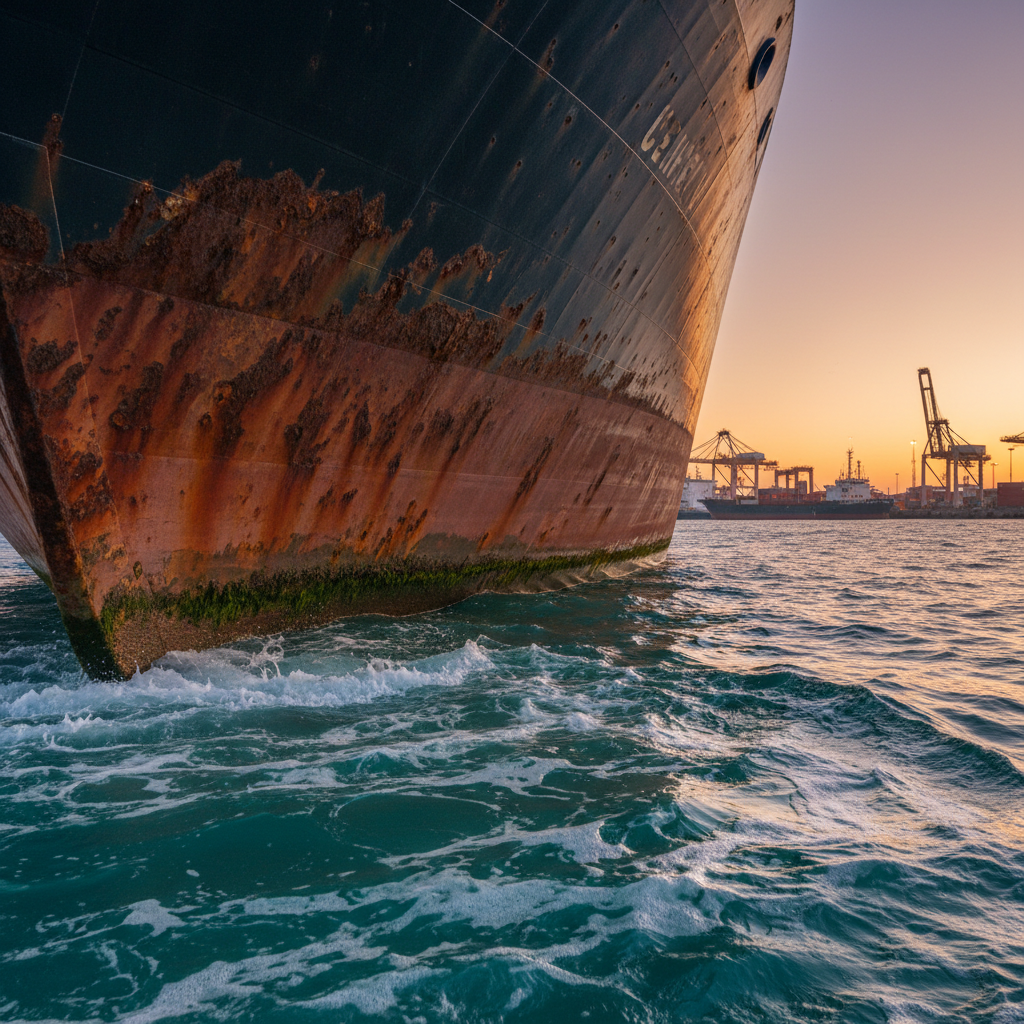
Marine coatings are high-performance protective products formulated to withstand the rigors of marine environments. These coatings serve as barriers, preventing corrosion, biofouling, and wear on critical ship components such as hulls and decks. Beyond mere aesthetics, marine coatings contribute to the overall durability and safety of vessels over time.
Importance of Marine Coatings
The significance of marine coatings cannot be overlooked. They are essential for maintaining the structural integrity of ships that face constant exposure to saltwater, UV rays, and harsh weather conditions. Properly applied coatings can significantly extend the lifespan of a vessel while reducing maintenance costs associated with corrosion and repairs. In addition, effective marine coatings enhance fuel efficiency by reducing drag, which is vital for companies looking to optimize operational costs.
Overview of CSM Coatings
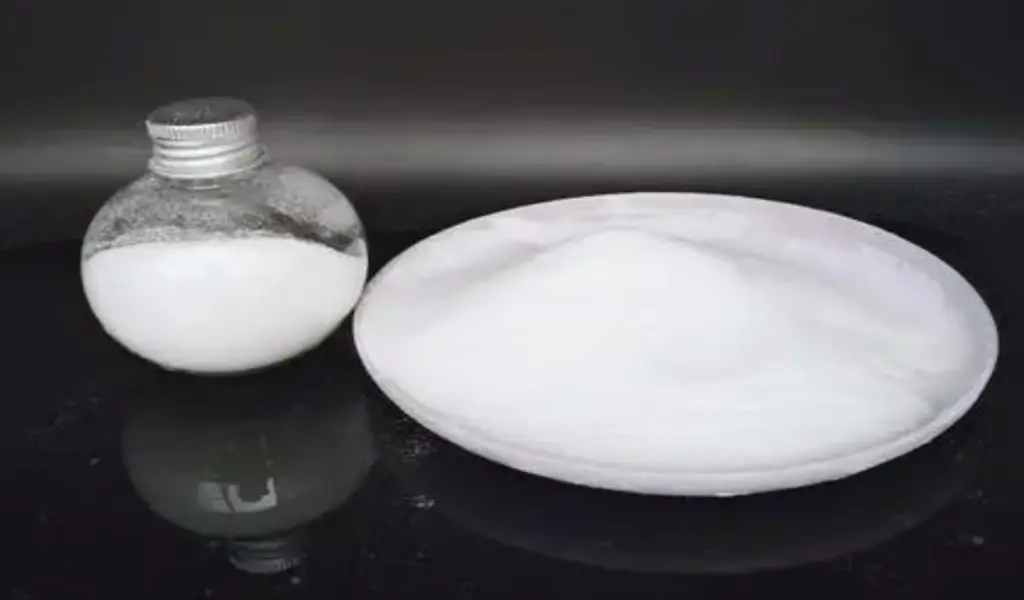
Chlorosulfonated polyethylene (CSM) coatings are increasingly recommended for marine applications due to their excellent resistance to chemicals, oils, and UV rays. These coatings provide flexibility and durability, making them suitable for various ship components including hulls and storage tanks. CSM coatings are particularly effective in harsh marine environments, and their application is often included in recommendations for best practices in maritime maintenance.
But here’s the kicker: Selecting the right marine coating is not just about protecting the vessel — it’s about optimizing operational efficiency and ensuring safety in challenging maritime conditions.
| Aspect | Description | Importance |
|---|---|---|
| Definition | Protective layers for ships | Prevent corrosion and biofouling |
| Importance | Extending vessel lifespan | Reducing maintenance and repair costs |
| CSM Coatings | Chemical and UV resistance | Suitable for harsh marine conditions |
2. Types of Marine Coatings
Polyurethane Coatings
Polyurethane coatings are celebrated for their remarkable durability and aesthetic characteristics. These coatings provide excellent resistance to UV radiation, making them ideal for above-water applications, where exposure to sunlight is significant. Their strong adhesion properties allow for their application on steel surfaces commonly found in commercial ships. Many marine operators prefer polyurethane coatings for their glossy finish and long-lasting protection.
Epoxy Coatings
Epoxy coatings are a go-to choice for various marine applications due to their exceptional anti-corrosive properties and strong adherence to metal surfaces. Epoxy formulations are designed to provide a tough and impermeable layer, acting as a barrier against corrosive agents like saltwater. These coatings are perfect for submerged applications such as the hulls of commercial vessels, exceeding the expectations of industry performance standards. Additionally, they cure slowly, allowing for thorough application under various conditions.
Chlorinated Rubber Coatings
Chlorinated rubber coatings are known for their quick-drying properties, making them suitable for projects that require a fast turnaround. These coatings offer flexible protection while being highly resistant to water, chemicals, and UV exposure. This makes them ideal for scenarios where continuous service is critical, such as in fishing and cargo vessels. Additionally, chlorinated rubber coatings’ high flexibility means they can withstand the minor movements of vessels, reducing the risk of cracking.
What’s the real story? Understanding the distinct types of marine coatings ensures vessel operators can select the most appropriate solutions tailored to their operational needs.
| Coating Type | Characteristics | Best Use Cases |
|---|---|---|
| Polyurethane | Durable, UV resistant | Above-water applications |
| Epoxy | Strong adhesion, anti-corrosive | Submerged applications |
| Chlorinated Rubber | Fast-drying, flexible | High-demand situations, quick turnover |
3. Factors Influencing Coating Selection
Environmental Conditions
The prevailing environmental conditions play a crucial role in selecting marine coatings. These conditions encompass factors such as salinity levels, humidity, and temperature. For instance, vessels operating in high-salinity areas require coatings with enhanced corrosion resistance. Likewise, fluctuating temperatures might necessitate coatings that can accommodate thermal expansion and contraction without compromising performance.
Type of Ship and Its Intended Use
Different types of ships—such as cargo vessels, tankers, and fishing boats—have specific operational needs that affect the selection of marine coatings. Cargo carriers might prioritize abrasion resistance, whereas fishing vessels require coatings that can resist biofouling. Identifying the intended use of the ship is paramount for choosing coatings that enhance performance and longevity effectively.
Regulatory Compliance
Adhering to industry regulations and standards is critical in the marine sector. Coating materials must comply with local and international regulations to ensure safety and environmental sustainability. Understanding these regulatory aspects not only affects the choice of coatings but also impacts the overall operational cost and project timelines.
This is where it gets interesting: A thorough assessment of environmental and operational factors can lead shipowners to informed choices that optimize coating performance and ensure compliance with maritime guidelines.
| Factor | Description | Implications |
|---|---|---|
| Environmental Conditions | Salinity, temperature, humidity | Influences coating performance |
| Ship Type and Use | Specific operational needs | Determines viable coating options |
| Regulatory Compliance | Adherence to standard regulations | Avoids penalties, ensures safety |
4. Benefits of Using Marine Coatings
Corrosion Prevention
Arguably one of the most significant benefits of marine coatings is their ability to prevent corrosion. Coatings serve as protective barriers that guard steel surfaces against saltwater, moisture, and oxygen, which are the primary culprits of rust and degradation. This protective quality leads to enhanced structural integrity and prolongs the lifespan of the ship, ultimately translating into substantial cost savings in terms of repairs and maintenance.
Cost-Effectiveness
Investing in high-quality marine coatings can yield impressive long-term savings. Effective coatings reduce the frequency of maintenance and inspections required, allowing ship operators to minimize downtime. Coastguard regulations and industry performance standards often require regular inspections, making it vital to choose coatings that extend these intervals. Additionally, coatings that provide fuel efficiency benefits contribute to operational cost reductions, further justifying the initial investment.
Safety Improvements
The application of marine coatings significantly enhances safety measures on commercial ships. By reducing the risk of corrosion-related failures, coatings protect the crew and cargo aboard the vessel. A well-maintained coating can also enhance the ship’s performance in adverse conditions, providing greater reliability and peace of mind for ship operators and stakeholders.
What’s the real story? By emphasizing corrosion prevention, cost-effectiveness, and safety improvements, marine coatings offer compelling advantages that create both environmental and financial benefits.
| Benefit | Description | Economic Impact |
|---|---|---|
| Corrosion Prevention | Protects steel from rusting | Lowers maintenance costs |
| Cost-Effectiveness | Reduces repair frequency | Increases overall financial savings |
| Safety Improvements | Enhances crew and cargo protection | Reduces risks of operational failures |
5. Application Techniques for Marine Coatings
Surface Preparation
Before applying any marine coating, extensive surface preparation is vital to ensure proper adhesion. This process involves removing old coatings, rust, and any contaminants that might interfere with the new coating’s bond. Common methods include sandblasting, washing with solvents, and mechanical cleaning. Proper surface preparation not only enhances coating adhesion but also prolongs the effective lifespan of the coating applied.
Application Methods
Application methods vary widely and can include spraying, brushing, and rolling. Each technique has its merits; for broad, flat surfaces, spraying can achieve rapid coverage, while brushing is useful for precise work that requires attention to detail. Choosing the appropriate application method depends on the type of coating being used, environmental considerations, and the specific areas being treated.
Curing and Drying Times
Each type of marine coating has its specific curing and drying times, which can significantly influence project timelines. Understanding these times allows ship operators to schedule maintenance and repairs accordingly. For instance, while chlorinated rubber coatings may cure quickly, epoxy coatings might require longer drying times but offer superior protection. Proper planning ensures that marine operations aren’t adversely affected by extended repairs.
This is where it gets interesting: Mastering application techniques not only guarantees optimal coating performance but also enhances the overall operational efficiency of marine maintenance.
| Application Technique | Description | Importance |
|---|---|---|
| Surface Preparation | Cleaning and priming | Ensures optimal adhesion |
| Application Method | Various methods of application | Each method has unique advantages |
| Curing Times | Understanding drying requirements | Influences project planning |
6. Testing and Quality Assurance of Coatings
Adhesion Tests
Conducting adhesion tests before and after coating applications is crucial for ensuring that the coating adheres appropriately to the surface. These tests measure the coating’s ability to bond with the substrate, ensuring that it can withstand various stressors that it may encounter during its service life. Quality assurance protocols that include adhesion tests can catch potential problems early, saving time and costs later on.
Performance Indicators
When assessing marine coatings, several performance indicators should be monitored. These include thickness, UV resistance, and moisture absorption rates. Regular testing helps gauge whether the coatings continue to meet performance expectations over their lifecycle. Tracking these indicators ensures that vessel operators can maintain high standards of operation and safety.
Compliance with Standards
Meeting industry standards is non-negotiable in the marine sector. Coatings must adhere to established performance criteria set by regulatory bodies. Compliance not only ensures safety and reliability but also preserves the vessel’s marketability and operational capabilities. Ship operators should establish a rigorous quality control process to verify that all coatings meet or exceed the relevant benchmarks.
What’s the real story? Implementing rigorous testing and quality assurance processes leads to the consistent application of high-performance marine coatings, enhancing both vessel safety and operational integrity.
| Testing Method | Description | Importance |
|---|---|---|
| Adhesion Tests | Measures coating attachment | Confirms bond strength |
| Performance Indicators | Monitors various performance metrics | Ensures long-term effectiveness |
| Compliance Standards | Adheres to industry regulations | Maintains safety and operational standards |
7. Common Challenges in Coating Applications
Environmental Factors
Environmental conditions such as humidity, temperature, and wind can pose significant challenges during the application of marine coatings. For example, high humidity can prevent proper curing, while extremely low temperatures may slow down application processes. These factors need to be monitored closely to ensure that the selected coatings can be applied correctly without compromising performance.
Surface Contaminants
The presence of contaminants—such as dust, oils, or other debris—can hinder the effectiveness of marine coatings significantly. If surfaces are not cleaned properly before application, the bond between the coating and the surface may weaken, leading to premature failures. Therefore, thorough cleaning and inspection of surfaces before application are crucial for achieving optimal results.
Maintaining Consistency
Achieving a uniform coating application across all surfaces is essential for consistency in performance. Variability in application thickness can lead to areas where the coating is either too thin (resulting in insufficient protection) or too thick (which can crack or flake). Implementing standard operating procedures for application can help maintain consistency and quality across all projects.
This is where it gets interesting: Navigating common application challenges efficiently ensures that marine coatings perform as intended, protecting significant marine investments.
| Challenge | Description | Mitigation Strategies |
|---|---|---|
| Environmental Factors | Influence application conditions | Monitor and adapt to conditions |
| Surface Contaminants | Compromise coating effectiveness | Implement thorough cleaning protocols |
| Maintaining Consistency | Achieving uniform application | Establish standard operating procedures |
8. Maintenance Strategies for Marine Coatings
Routine Inspections
Establishing a routine inspection schedule is paramount for the longevity of marine coatings. Regular inspections allow ship owners to identify early signs of wear, peeling, or corrosion that could compromise the protective barrier. Conducting detailed inspections at least twice a year, or more frequently in harsh conditions, is recommended to maintain the integrity of the coating system.
Touch-Up Procedures
Implementing a systematic approach for touch-ups when wear is detected can effectively prevent further degradation of the coatings. Timely touch-ups on exposed areas can stave off future corrosion and ensure the vessel remains protected throughout its operational life. Ship operators should train crews in proper touch-up techniques to ensure efficiency and effectiveness.
Reapplication Scheduling
Scheduling reapplication of marine coatings based on environmental exposure and performance feedback is essential for long-term effectiveness. When significant wear is identified during inspections, operators should prioritize reapplication as part of their maintenance programs. By planning these reapplications strategically, ship operators can maximize protective coating lifespan while minimizing downtime.
What’s the real story? Proactive maintenance strategies can significantly enhance the effectiveness of marine coatings, ensuring long-lasting protection and operational reliability.
| Maintenance Activity | Importance | Frequency |
|---|---|---|
| Routine Inspections | Early detection of issues | Bi-annual or annual |
| Touch-Up Procedures | Addresses minor wear | As needed |
| Reapplication Scheduling | Extends coating lifespan | Based on environmental exposure and wear |
9. Case Studies Highlighting Successful Applications
Cargo Ship Re-coating Project
A major cargo shipping company recently undertook a re-coating project using advanced epoxy coatings on their vessels. Following the application, they reported a 30% reduction in corrosion-related maintenance costs and a noticeable improvement in fuel efficiency due to smoother hull surfaces. The success of this re-coating project underscores the importance of selecting high-quality marine coatings to enhance operational efficiency.
Fishing Vessel Coatings
In a prominent case, a fleet of fishing vessels adopted chlorinated rubber coatings for their quick-drying properties. This choice allowed for rapid re-coating during short operational downtimes, resulting in improved durability and consistent performance in harsh marine environments. The vessels demonstrated less downtime in the water, yielding higher operational returns.
Tankers Using Polyurethane Coatings
A reported case involving a fleet of tankers applied polyurethane coatings to enhance surface protection against chemical exposure. As a result, the company noted a significant increase in the lifespan of their tankers’ coatings, leading to a decrease in the frequency of maintenance interventions. This case demonstrates the long-term benefits of investing in resilient marine coatings tailored to industry needs.
This is where it gets interesting: Real-world case studies illustrate how the right choice of marine coatings can substantially improve both financial performance and operational reliability.
| Project Type | Coating Application | Results |
|---|---|---|
| Cargo Ship | Epoxy on hulls | 30% reduction in maintenance costs |
| Fishing Vessel | Chlorinated rubber | Increased operational uptime |
| Tanker | Polyurethane | Longer lifespan of coatings |
10. Innovations in Marine Coating Technologies
Advanced Formulations
Innovations in marine coating formulations are creating smart solutions that address the common challenges faced in marine environments. New formulations often incorporate nanotechnology and custom additives designed to increase the durability and performance of coatings. These developments enable coatings to better withstand the elements, resulting in reduced maintenance and longer service life.
Eco-Friendly Options
With growing concern over environmental impact, the industry is seeing a rise in eco-friendly marine coatings that utilize low-VOC and biodegradable materials. These alternative coatings not only provide effective protection but also minimize ecological footprints, aligning with the increasing demand for sustainable practices in shipping.
Smart Coatings
Smart coatings represent the next frontier in marine technology. These advanced systems can change properties in response to environmental conditions, offering real-time adaptations to protect vessels more effectively. Integrating sensors with coatings allows for continuous monitoring and management of coating performance, maximizing their functional lifespan.
What’s the real story? Embracing innovative marine coating technologies can significantly enhance protective solutions, offering sustainability and performance in one package.
| Innovation Type | Description | Impact |
|---|---|---|
| Advanced Formulations | Enhance durability and performance | Reduces need for frequent maintenance |
| Eco-Friendly Options | Low-VOC, biodegradable materials | Supports sustainability initiatives |
| Smart Coatings | Adaptive properties, sensor integration | Provides real-time monitoring and performance feedback |
11. Conclusion and Recommendations
In summary, choosing the right marine coatings for commercial ships is fundamental to protecting investments and ensuring compliance with industry standards. By understanding the diverse types of coatings available, the necessary considerations for selection, and the appropriate application techniques, ship operators can make informed decisions that align with their operational needs. Additionally, embracing innovation in marine coatings can lead to improved performance and sustainability. As maritime demands evolve, staying up-to-date with advancements in marine coating technologies is crucial. Ultimately, investing in high-quality marine coatings delivers substantial long-term benefits that enhance operational efficiency, reduce costs, and increase safety standards across the marine industry. If you need expert suggestions or tailored coating solutions for your next project, feel free to contact us today for professional support.
FAQ Section
- Q1: What are marine coatings?
Marine coatings are specialized finishes designed to protect commercial ships from environmental damage, particularly from saltwater and corrosion. - Q2: How do I choose the right marine coating for my ship?
Consider environmental factors, the type of vessel, and regulatory compliance when selecting a marine coating. - Q3: What maintenance is required for marine coatings?
Routine inspections, touch-ups, and scheduled reapplications based on environmental exposure are essential for maintaining marine coatings. - Q4: Are eco-friendly marine coatings effective?
Yes, many eco-friendly marine coatings are highly effective and meet necessary performance standards while also being environmentally safe. - Q5: What are typical coating application methods?
Common application methods include spraying, brushing, and rolling, each suited for particular types of coatings and surfaces.